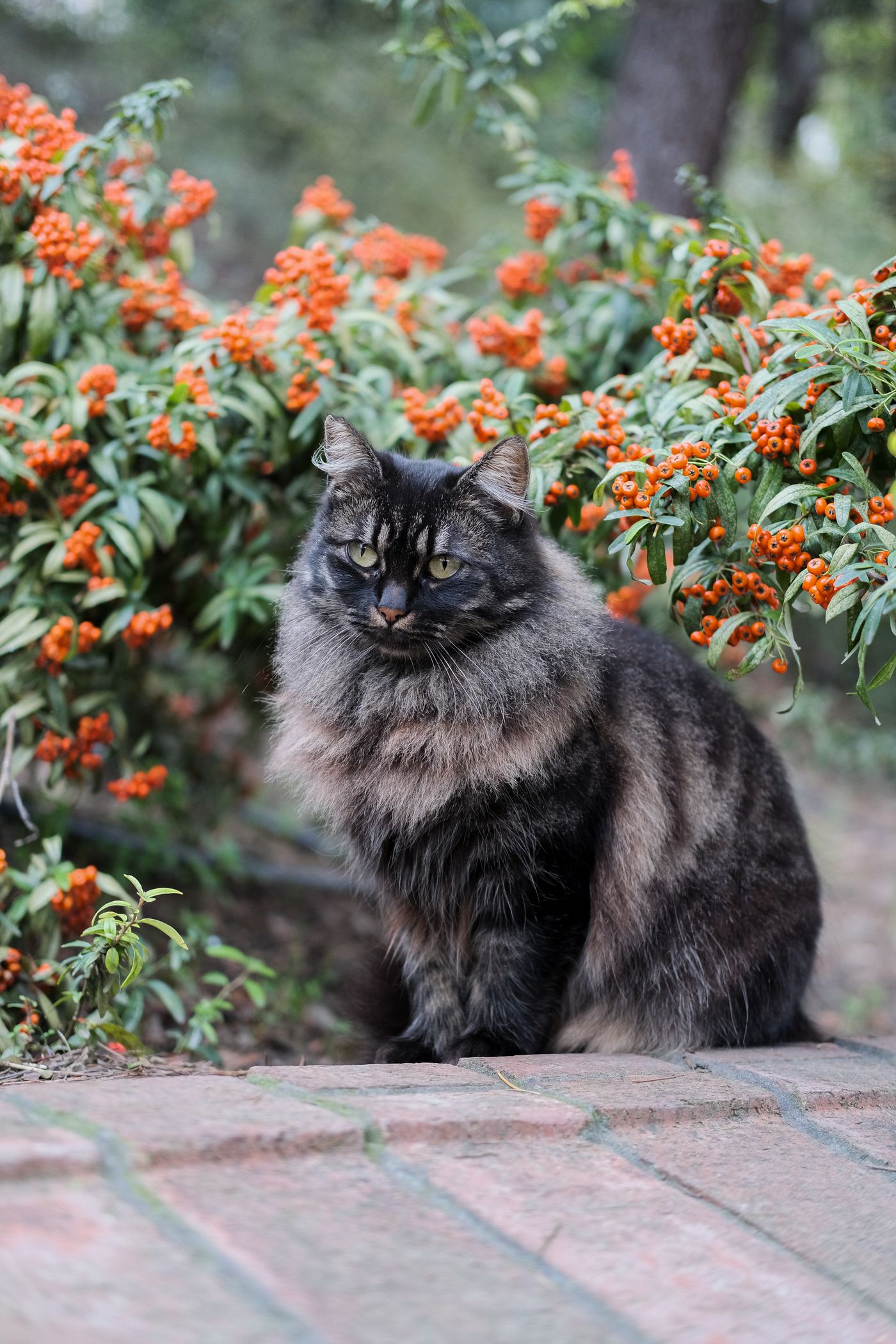
Living with a Siberian
What day to day actually looks like, coat to bowl to vet visits.
What day to day actually looks like, coat to bowl to vet visits.
The everyday version
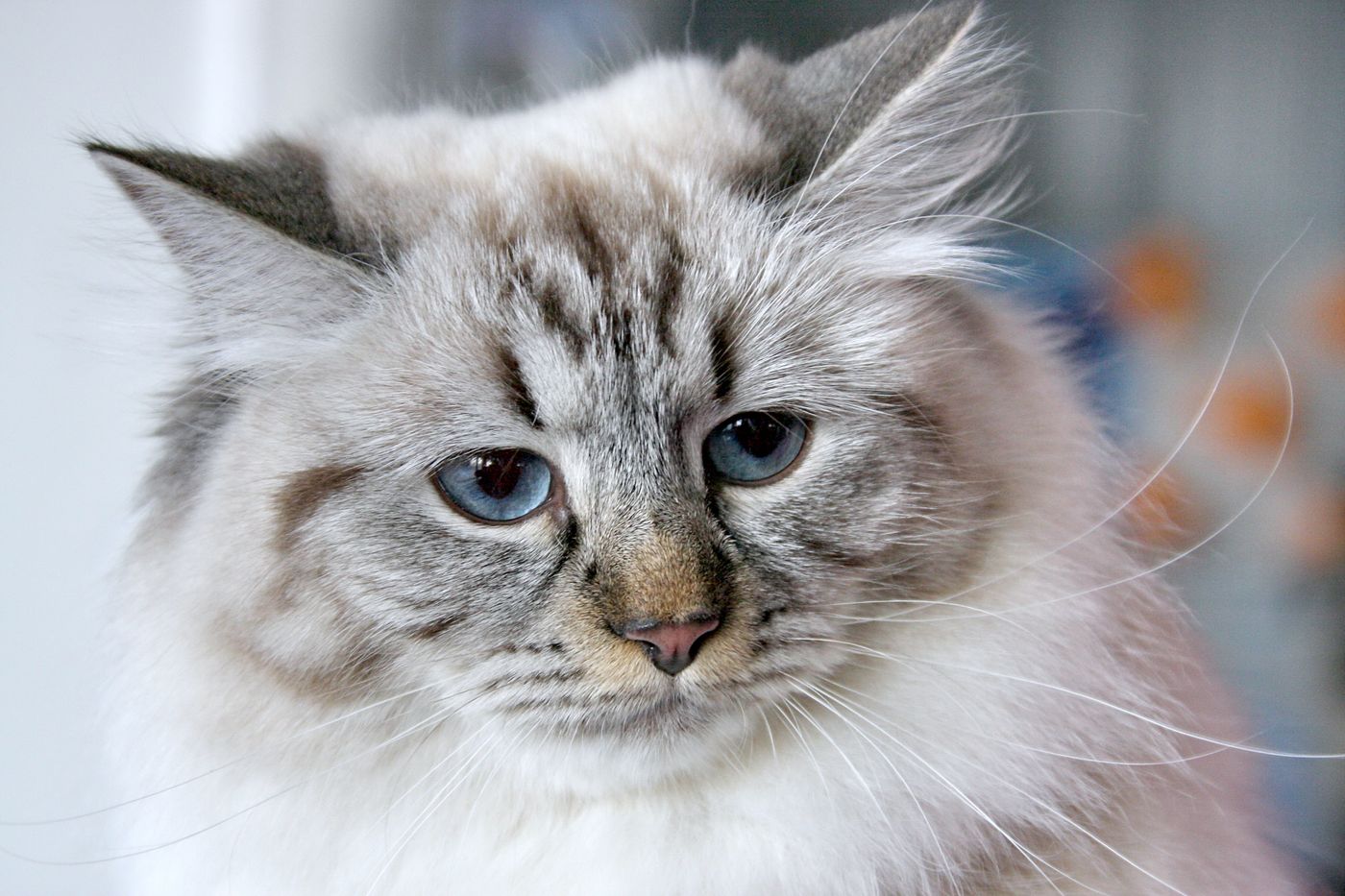
That huge coat looks high-maintenance. In practice, a Siberian is one of the easier long-haired breeds to keep looking great.
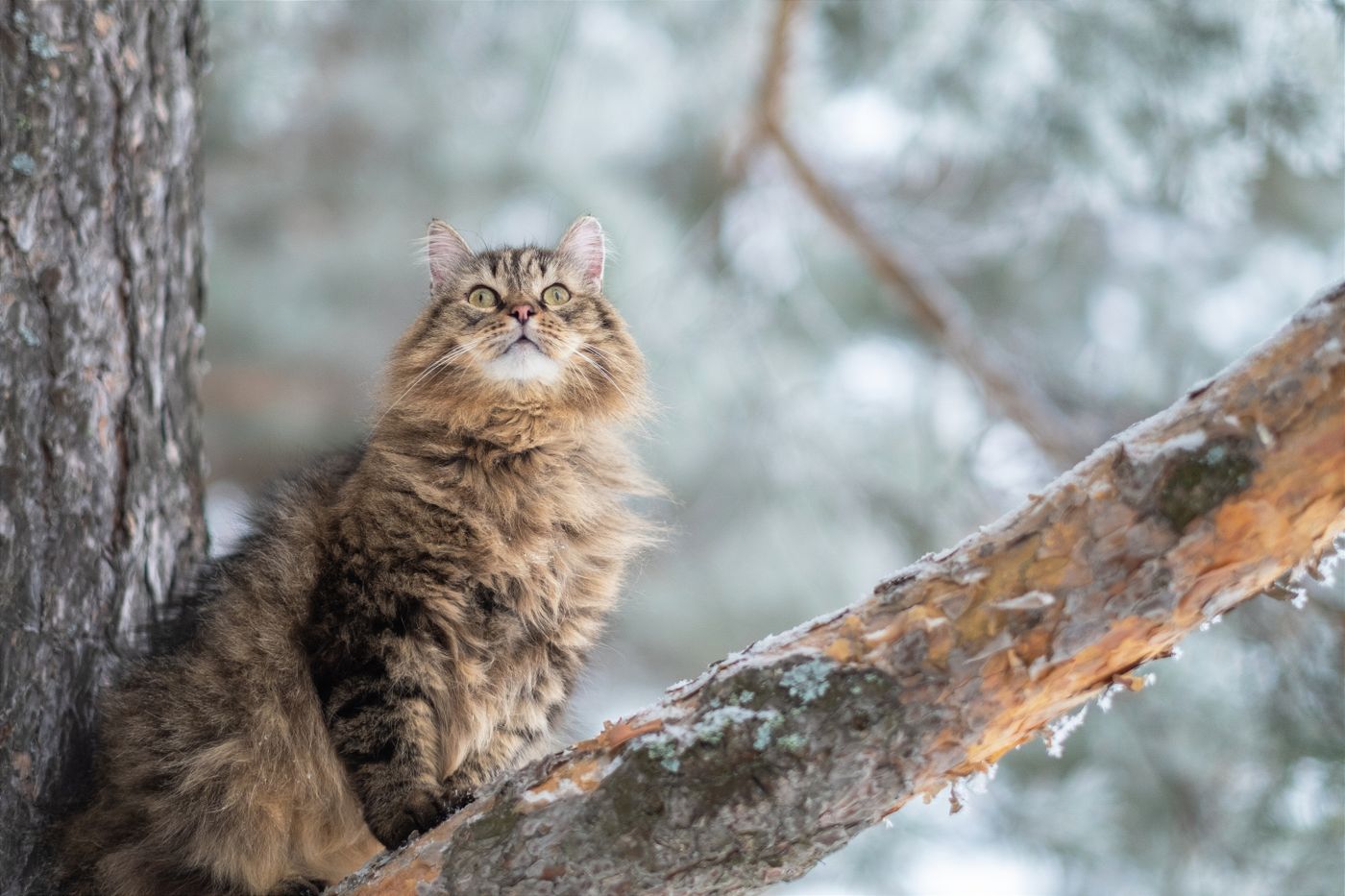
Two brushing sessions a week is enough for most of the year. Because Siberians have a triple coat rather than a single fine layer, it tends to resist matting better than it looks like it should.
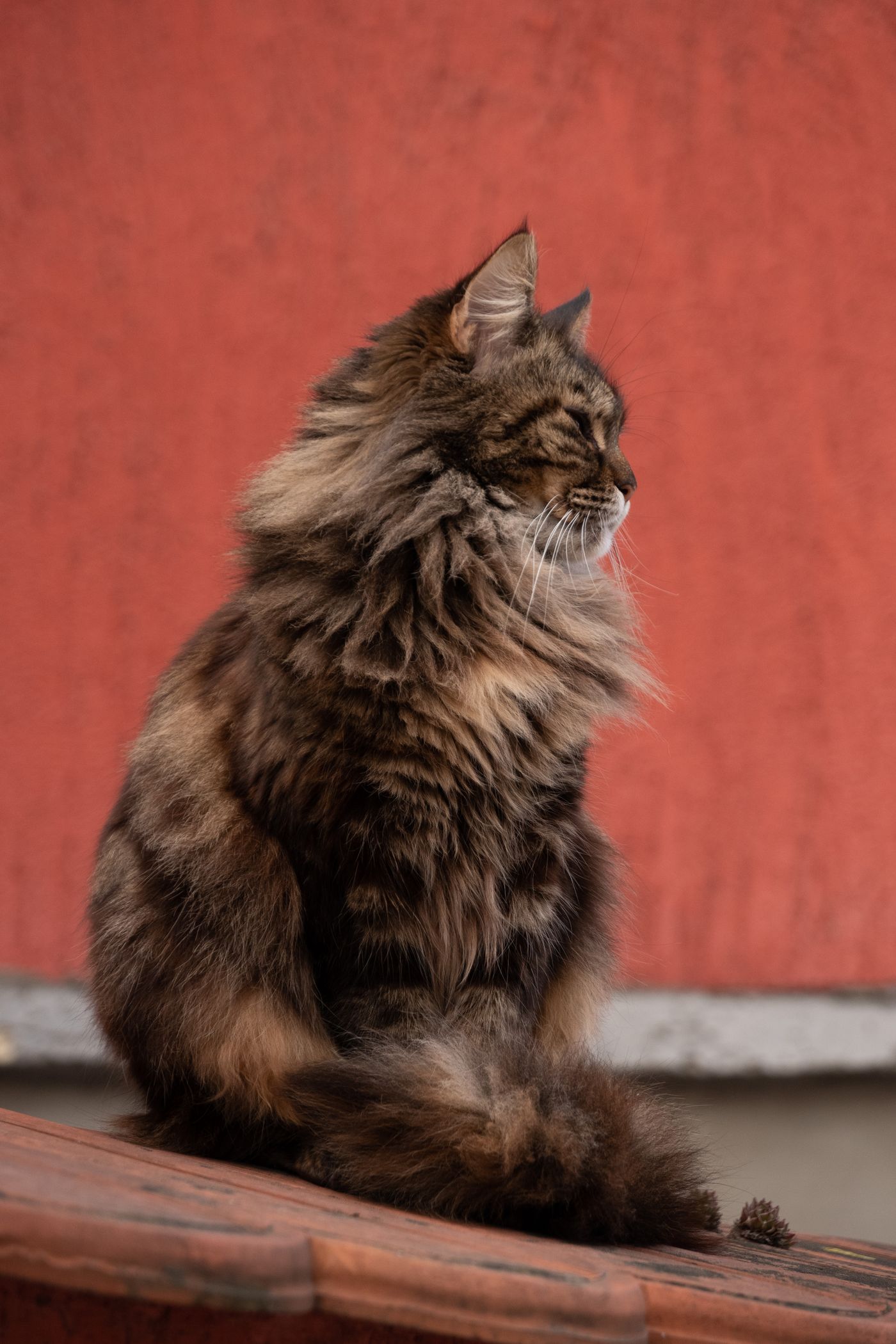
Siberians mature slowly and stay playful well past kittenhood, some owners say into their second or third year. They are athletic, strong jumpers, and genuinely enjoy interactive toys and puzzle feeders.
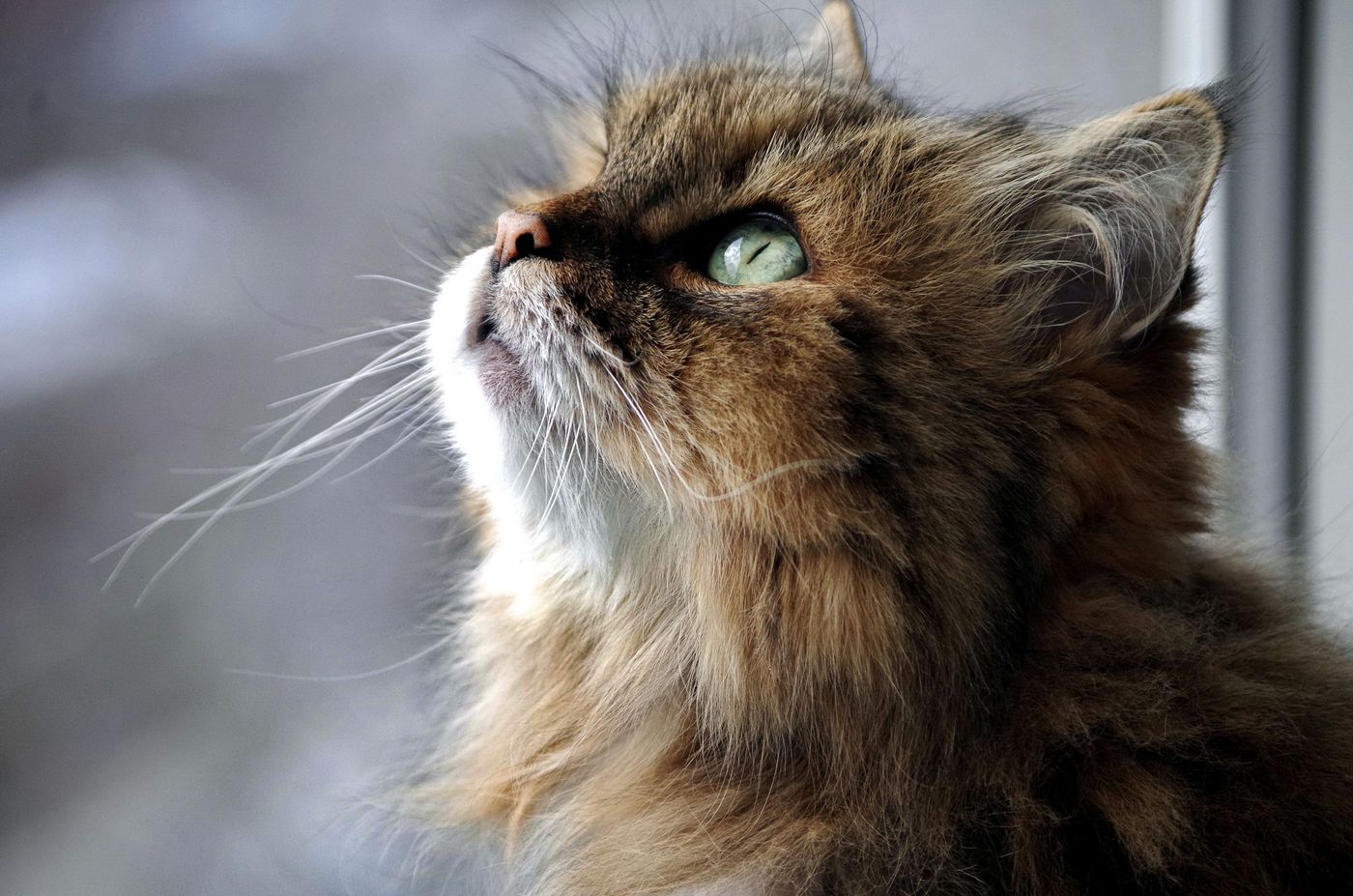
A high-quality diet built around real animal protein supports the coat and lean muscle this breed carries. Large-breed cats like the Siberian can be prone to weight gain as adults, so portion control matters more than the food brand.
Beyond standard vaccinations and annual exams, ask your vet about periodic heart screening given the breed's HCM risk, even if the parents tested clear. Slow-maturing breeds are worth monitoring into adulthood rather than assuming kitten test results settle the question forever.
See available Siberian kittens from health-tested lines, ready for a home like yours.
See Available Kittens